
Most conversations about primate trekking in East Africa default to gorillas in Rwanda and Uganda, and understandably so — but Tanzania has its own, genuinely distinctive chimpanzee-trekking destinations on the shores of Lake Tanganyika, both linked to the pioneering research of Jane Goodall and both considerably less visited than their gorilla-trekking counterparts to the west.
Gombe Stream National Park
Gombe is Tanzania’s smallest national park and the site of Jane Goodall’s original long-term chimpanzee research, beginning in the 1960s — meaning some of Gombe’s chimpanzee communities are among the most extensively studied primate populations on Earth. The park is reached by boat along Lake Tanganyika from Kigoma, and its compact size means trekking distances to reach chimpanzees are often relatively short compared to some other trekking destinations.
Mahale Mountains National Park
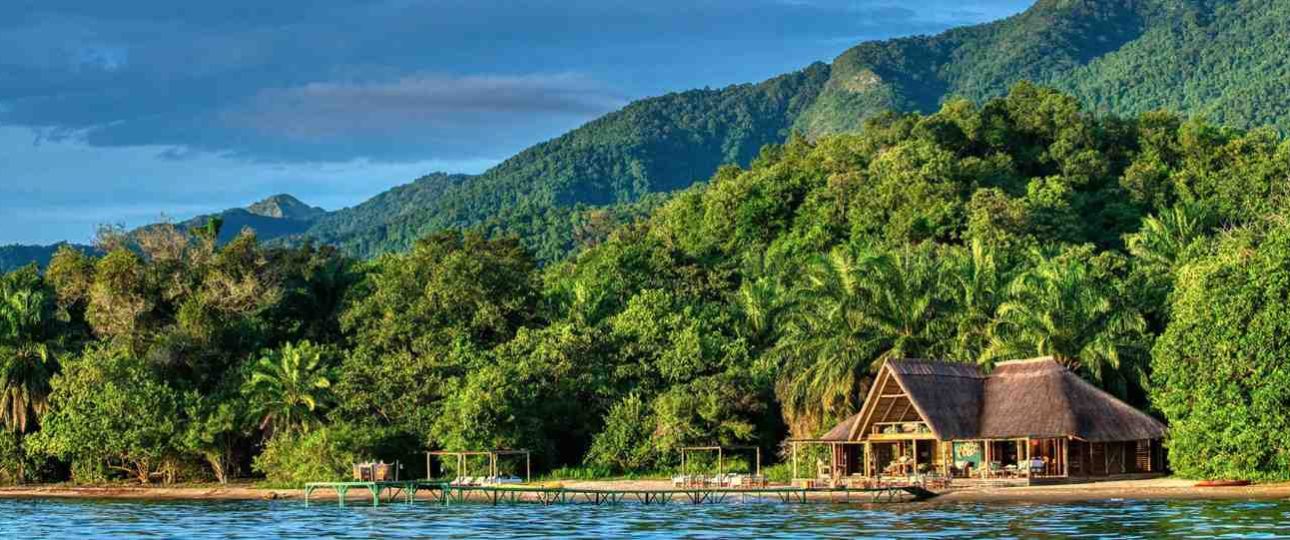
Mahale is larger, more remote, and considerably wilder in feel — a forested mountain range rising directly from Lake Tanganyika’s shore, accessible only by boat or light aircraft, with no road access at all. Its chimpanzee population is also long-studied, and the setting itself — swimming beaches on the lake shore combined with genuine mountain forest trekking — gives Mahale a character distinct from any other Tanzanian park.
How they compare
| Gombe | Mahale | |
|---|---|---|
| Size | Tanzania’s smallest national park | Considerably larger |
| Access | Boat from Kigoma | Boat or light aircraft; no road access |
| Setting | Compact lakeshore forest | Mountain forest rising from the lake |
| Research history | Site of Jane Goodall’s original research | Also long-studied, distinct research history |
| General feel | More accessible, shorter logistics | More remote, more immersive |
How to choose
If logistics and time are tight, Gombe’s relative accessibility from Kigoma makes it the more practical choice. If you have more time and want the fuller experience — mountain forest trekking, lakeside relaxation, and genuine remoteness — Mahale is generally considered the more complete destination, at the cost of a longer and more expensive journey to reach it. Neither park guarantees a chimpanzee sighting on any given trek, though habituated groups in both parks are tracked daily by experienced rangers, which meaningfully improves the odds compared to unguided searching.
Frequently Asked Questions
Is chimpanzee trekking similar to gorilla trekking?
Broadly similar in structure — guided treks to locate habituated groups, with time limits and distance rules to protect the animals — though chimpanzees are more physically active and arboreal than gorillas, which changes the viewing experience somewhat. See our gorilla trekking comparison for how that experience compares.
Which is more remote, Mahale or Gombe?
Mahale — it has no road access at all and requires boat or light aircraft, while Gombe, though also boat-accessed, is somewhat more straightforward to reach from Kigoma.
Can I combine chimpanzee trekking with a wider Tanzania safari?
It requires deliberate routing given the western location of both parks relative to Tanzania’s main northern and southern circuits, but it is a genuine option for a longer, more comprehensive itinerary.
Is a chimpanzee sighting guaranteed?
No sighting can be guaranteed, though experienced rangers track habituated groups daily in both parks, which considerably improves the likelihood compared to an unguided search.
Which park is better for a first-time visitor?
Gombe’s relative accessibility makes it a reasonable first choice for travellers with more limited time; Mahale rewards those able to allow more time and budget for the journey.
Interested in adding chimpanzee trekking to your Tanzania itinerary? Our team can help you weigh Mahale against Gombe based on your timeline. Request a tailored quote or get in touch.