“Green season” is the more accurate and more appealing name for what used to be dismissed simply as “the rainy season” — and the rebranding, while partly a marketing shift, reflects something genuinely true: this period offers a real, distinct safari experience, not just a discounted, lesser version of dry-season travel.
What actually happens during the green season
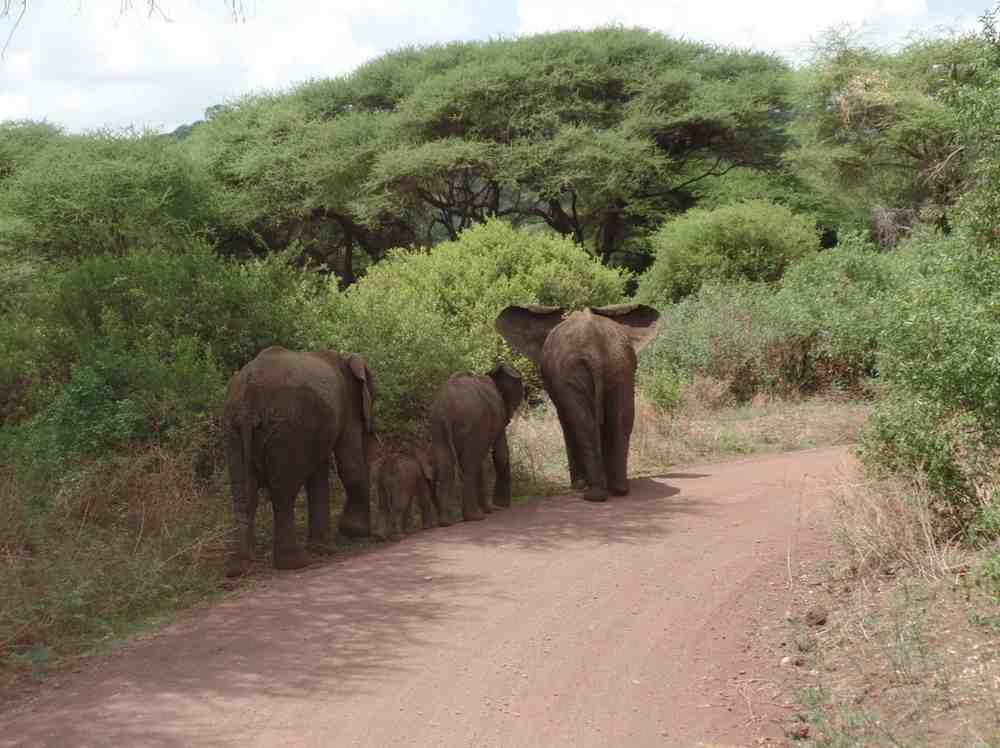
Rainfall generally increases the landscape’s vegetation dramatically — hence “green season” — with lusher scenery, newborn wildlife in various parks (calving season, discussed in Ndutu and the Southern Serengeti, falls within this broader wetter period), and dramatic skies that photographers often specifically seek out. Rain itself tends to arrive in shorter, more intense bursts rather than constant all-day drizzle, meaning most days still include substantial dry, clear periods suitable for game drives.
The genuine trade-offs, honestly stated
Vegetation density can make some wildlife spotting slightly harder in certain areas, since taller grass and fuller foliage offer more cover than the stripped-back dry-season landscape. Some roads and tracks, particularly in more remote parks, can become harder to navigate after heavy rain, occasionally affecting access to specific areas. These are real trade-offs, not reasons to dismiss the season entirely — just factors worth weighing honestly rather than a case for or against blindly.
Why some travellers specifically prefer it
Lower rates. Camps and lodges generally reduce rates during lower-demand periods, meaningfully improving value, particularly for higher-tier accommodation that might otherwise be out of budget during peak season.
Fewer other travellers. Vehicle numbers at sightings are generally lower, and popular camps are easier to book with less advance planning required.
Distinctive photography. The lush landscape, dramatic cloud formations, and newborn wildlife offer a genuinely different visual character than the dust and bare earth of peak dry season — appealing specifically to photographers seeking something less commonly captured.
Strong birding. The presence of migratory bird species and lush habitat conditions make this a particularly strong period for birding specifically.
Who it doesn’t suit as well
Travellers whose primary or singular goal is witnessing a Mara River crossing should note that crossing season falls outside this wetter period (see The Great Migration, Month by Month) — green season and crossing season are, broadly, different parts of the year. Travellers with limited flexibility around road access to more remote parks may also want to discuss specific route feasibility directly given seasonal road conditions.
Frequently Asked Questions
Is a green-season safari worse than a dry-season safari?
Not worse — different. Wildlife viewing conditions shift somewhat (denser vegetation, generally easier at some parks than others), while cost, crowding, and photographic character shift meaningfully in the traveller’s favour.
Does it rain all day during green season?
Generally no — rainfall tends to arrive in shorter, more intense bursts rather than constant drizzle, leaving substantial clear periods most days, though this varies year to year.
Is green season the same as calving season?
They overlap but aren’t identical — calving season is a specific migration phase within the broader wetter period; green season describes the general seasonal character more broadly. See our calving season guide for the more specific detail.
Are green-season safaris cheaper?
Generally yes — many camps and lodges reduce rates during lower-demand periods, which is one of the main reasons value-conscious travellers specifically choose this season.
Can I climb Kilimanjaro during the green season too?
Yes, the mountain can be climbed year-round — see our Kilimanjaro seasons guide for how wetter periods specifically affect climbing conditions.
Curious whether a green-season safari fits your priorities? Our team can talk through the genuine trade-offs for your specific interests. Request a tailored quote or get in touch.