
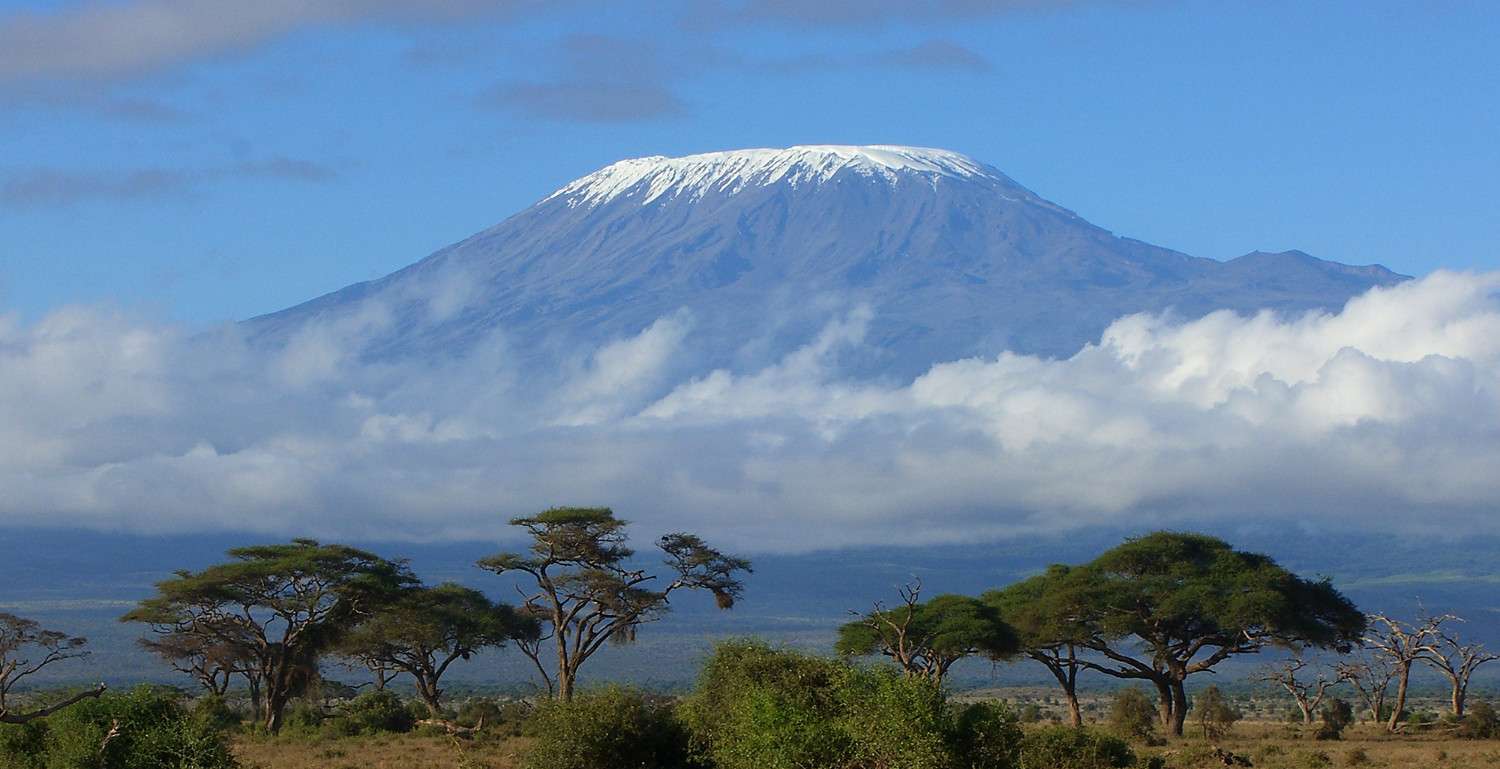
Kilimanjaro can be climbed throughout the year, and that’s an important starting point — there isn’t a single “closed season.” What changes with timing isn’t whether you can climb, but what conditions you’re likely to climb in, and how many other climbers you’ll be sharing the mountain with.
The general pattern
Tanzania’s broader climate follows two general rainy periods and two general drier periods across the year, and Kilimanjaro’s slopes follow a version of the same pattern, moderated by altitude. Drier periods generally offer clearer trails, better summit visibility, and more predictable underfoot conditions. Wetter periods bring a higher chance of rain and cloud, particularly in the lower forest zones, though the upper mountain can still offer clear windows even during a broader rainy stretch, since Kilimanjaro’s own microclimate doesn’t map perfectly onto regional patterns. As is the case elsewhere on this site, we deliberately avoid stating fixed calendar months for seasonal claims, since exact timing shifts year to year — the practical approach is to plan around the general dry/wet pattern and confirm current conditions closer to your travel dates.
What actually changes between drier and wetter periods
Trail conditions. Drier periods generally mean firmer, less muddy trails, particularly through the lower forest zone, which is the section most affected by rain.
Visibility. Clearer skies during drier periods improve the odds of dramatic summit and crater views, though weather at altitude is genuinely changeable regardless of general season.
Temperature. Night-time temperatures at higher camps and the summit are consistently cold year-round, well below freezing at the top regardless of season — this is a function of altitude, not time of year, and every climber needs to prepare for it regardless of when they climb.
Crowding. Drier periods tend to attract more climbers, meaning busier camps and trails on the more popular routes. Wetter periods, while less predictable weather-wise, generally offer a quieter mountain — a genuine trade-off worth considering alongside conditions, similar to the green season trade-off on safari.
How to actually decide
If clear summit views and firmer trail conditions matter most to you, and you don’t mind more company on popular routes, lean toward a drier-period climb. If a quieter mountain matters more than maximising the odds of perfectly clear weather, a wetter-period climb — on a well-chosen, less-trafficked route like Rongai (see How to Choose a Kilimanjaro Route) — is a genuinely reasonable choice, not a compromise. Regardless of season, come prepared for cold, changeable conditions at altitude; see our Kilimanjaro packing guidance for what that means in practice.
Frequently Asked Questions
Is there a season when Kilimanjaro is closed to climbers?
No — the mountain can be climbed year-round, though conditions and crowding vary with the general dry/wet pattern.
Is it colder at the summit during the rainy season?
Summit temperatures are consistently very cold year-round due to altitude, more than season — proper cold-weather preparation matters regardless of when you climb.
Does climbing during a drier period guarantee good weather?
No — weather at altitude is genuinely changeable, and even generally drier periods can include cloud or precipitation at higher elevations. It shifts the odds, not the certainty.
Is a wetter-period climb a bad idea?
Not necessarily — it generally means fewer other climbers and can still offer good conditions on the right route, though trail conditions in lower forest zones are more likely to be muddy.
How does climbing season interact with route choice?
Some routes, like Rongai’s drier northern approach, are less affected by general wet-season patterns than others — worth discussing together when planning rather than choosing season and route independently.
Weighing season against route and crowding for your Kilimanjaro dates? Our team can help you think it through. Request a tailored quote or get in touch.