
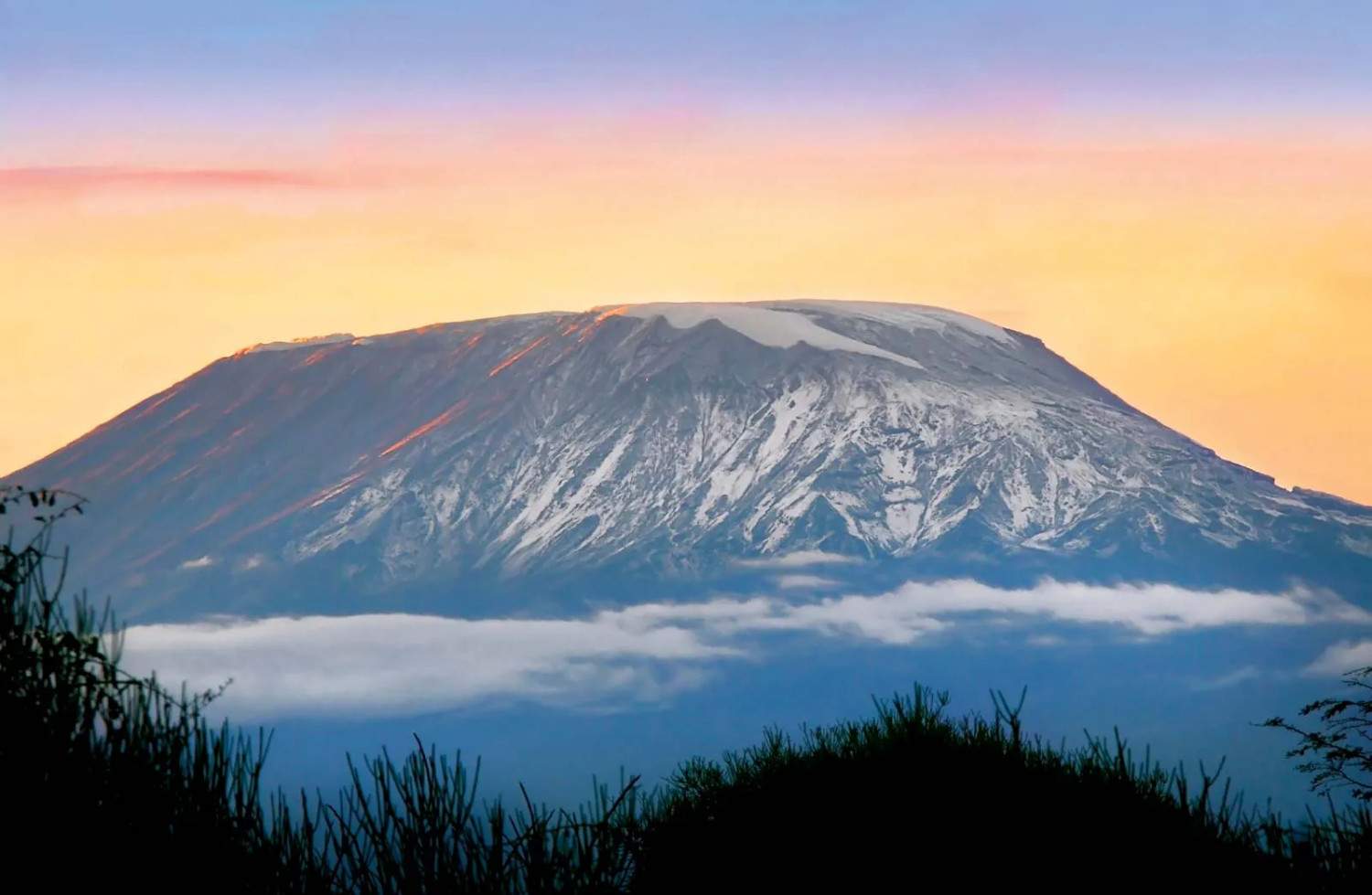
Arusha sits close enough to both Kilimanjaro and Tanzania’s northern safari circuit that combining the two isn’t a logistical stretch — most travellers who do one seriously consider the other. The real planning question isn’t whether you can combine them. It’s which order makes the trip actually work.
The case for climbing first
Doing the climb before the safari means you tackle the physically demanding part of the trip while you’re freshest, rather than after several days of early game-drive mornings. It also means that if the climb leaves you more fatigued than expected — which is common even for successful summits — you have several relaxed safari days afterward to recover, rather than starting a demanding trek already tired.
The case for the safari first
Some travellers prefer easing into the trip with several safari days first, treating it as a gentler introduction to Tanzania before the more demanding climb. This can also work well practically if your itinerary benefits from a few extra days at moderate elevation before the climb begins, since time spent at altitude in the days leading up to a climb can have a modest acclimatisation benefit — though this shouldn’t be relied on as a substitute for choosing an appropriately paced route.
What most experienced planners actually recommend
There’s no universally correct order, but a common, sensible pattern is: climb first, safari second. This sequencing means the physically hardest days come before fatigue accumulates, and the safari portion — which is comfortable regardless of your physical condition — becomes a genuine reward and recovery period rather than something rushed. That said, personal preference, specific dates, and how each phase fits around flights matter more than any general rule.
How much time to actually allow
Beyond the climb itself (typically 5 – 9 days depending on route — see How to Choose a Kilimanjaro Route), build in at least one full rest day before starting a safari, ideally more. Climbers frequently underestimate how tired a successful summit leaves them, even without altitude-related symptoms — simple physical fatigue from consecutive long trekking days is real and worth respecting rather than scheduling around tightly.
A simplified example structure
| Phase | Typical duration | Purpose |
|---|---|---|
| Kilimanjaro climb | 5 – 9 days | Route-dependent; see route comparison |
| Rest day(s) in Arusha/Moshi | 1 – 2 days minimum | Recovery before safari begins |
| Northern circuit safari | 4 – 7+ days | Serengeti, Ngorongoro, Tarangire and others |
This is illustrative, not a fixed package — actual sequencing and duration should be built around your specific dates, fitness, and the safari style you’re interested in.
Frequently Asked Questions
Is it better to climb Kilimanjaro before or after a safari?
Both orders work; climbing first is more commonly recommended so the physically demanding portion comes before fatigue accumulates, but personal preference and scheduling constraints are equally valid factors.
How many rest days should I build in between the climb and the safari?
At least one full day, ideally more — successful summits often leave climbers more fatigued than expected, independent of altitude symptoms.
Does spending time on safari before climbing help with acclimatisation?
Time at moderate elevation beforehand can have a modest benefit, but it shouldn’t replace choosing an appropriately paced climbing route for genuine acclimatisation.
Can I combine Kilimanjaro with a Zanzibar beach extension too, not just a safari?
Some travellers do combine all three — climb, safari, and coastal rest — though this requires more total time and careful sequencing. Worth discussing directly when planning.
How far in advance should I plan a combined trip?
Given that both climbing permits and safari-season accommodation can require advance booking, earlier planning generally gives more flexibility, particularly if your dates fall within a popular season.
Thinking about combining a climb with a safari? Our team can help sequence the two around your dates and fitness level. Use the custom safari planner or request a tailored quote.