
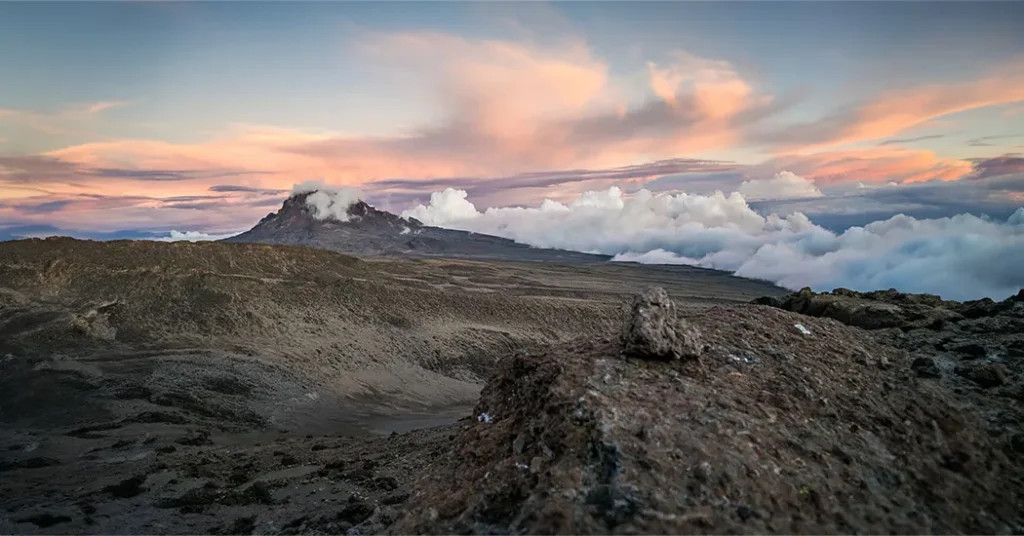
At Kilimanjaro’s summit, the air holds roughly half the oxygen available at sea level. Your body doesn’t experience that gradually and evenly — it experiences it as a real physiological stress that affects different people differently, regardless of fitness level. This isn’t meant to alarm you; thousands of people summit successfully every year. It’s meant to explain why “acclimatisation” isn’t a minor logistical detail on your itinerary — it’s arguably the single most important variable in how your climb actually goes.
This article provides general information, not medical advice. Speak with a doctor or travel health clinic about your personal fitness for high-altitude trekking before booking, particularly if you have any underlying health conditions.
What altitude sickness actually is
Acute Mountain Sickness (AMS) is the body’s response to reduced oxygen availability at altitude, and it can affect climbers regardless of age or physical fitness — a strong runner at sea level has no particular immunity to it. Common symptoms include headache, nausea, fatigue disproportionate to the day’s exertion, and disturbed sleep. In most cases, these are manageable and improve with proper pacing; in more serious cases, altitude illness can become dangerous and requires immediate descent.
Why acclimatisation is the main defence
The single most effective way to reduce AMS risk is straightforward in principle and harder in practice: ascend gradually, allowing your body time to adapt at intermediate altitudes rather than gaining height too quickly. This is exactly why route duration matters so much — a longer route isn’t just more scenic, it’s more time spent adjusting before you reach the altitudes where symptoms become more likely. We cover how this plays out route by route in How to Choose a Kilimanjaro Route.
What guides and operators actually do about it
Licensed guides are trained to monitor climbers for AMS symptoms throughout the ascent, generally through regular check-ins and observation of how each climber is coping — not just relying on self-reporting, since some symptoms (like early confusion) can affect a climber’s own judgment. A guide’s decision to slow a group’s pace, or in serious cases to insist on descent, is a safety measure, not an inconvenience, and it’s worth choosing an operator whose guides you trust to make that call without pressure to keep to a schedule.
What you can control before you go
- Choose a longer route if altitude is a genuine concern. Duration is the single biggest lever available to you.
- Arrive with reasonable general fitness, even though fitness alone doesn’t prevent AMS — being generally fit reduces the compounding fatigue that makes symptoms harder to manage.
- Stay hydrated and pace yourself deliberately during the climb itself, following your guide’s lead rather than pushing ahead.
- Discuss any relevant medical history with a doctor beforehand, including any prescription options they may discuss with you for altitude-related symptoms — this is a conversation for a medical professional, not something to self-manage based on general articles.
- Make sure your travel insurance covers high-altitude trekking and emergency evacuation specifically — not all policies do by default. See our travel insurance guidance for Africa.
Frequently Asked Questions
Can fit, healthy people still get altitude sickness on Kilimanjaro?
Yes — susceptibility to AMS doesn’t correlate reliably with fitness level. It’s a physiological response to reduced oxygen, and pacing/acclimatisation matter more than gym fitness.
Does a longer route guarantee I won’t get altitude sickness?
No route eliminates the risk entirely, but longer routes with more gradual ascent profiles generally reduce it meaningfully compared to shorter, steeper itineraries.
What happens if I develop symptoms during the climb?
Your guide will assess severity and may adjust pacing, recommend rest, or in more serious cases require descent — a decision made for safety, following established protocol rather than being open to negotiation.
Should I take altitude sickness medication before climbing?
This is a decision to make with a doctor, based on your personal medical history — this article does not provide medical advice, and self-medicating without guidance is not something we’d recommend.
Does travel insurance typically cover high-altitude trekking?
Not always by default — check specifically for high-altitude and emergency evacuation coverage before booking. See our travel insurance guidance for what to look for.
Thinking about which route gives you the best acclimatisation profile for your fitness and timeline? Our team can talk through the options. Request a tailored quote or get in touch.