
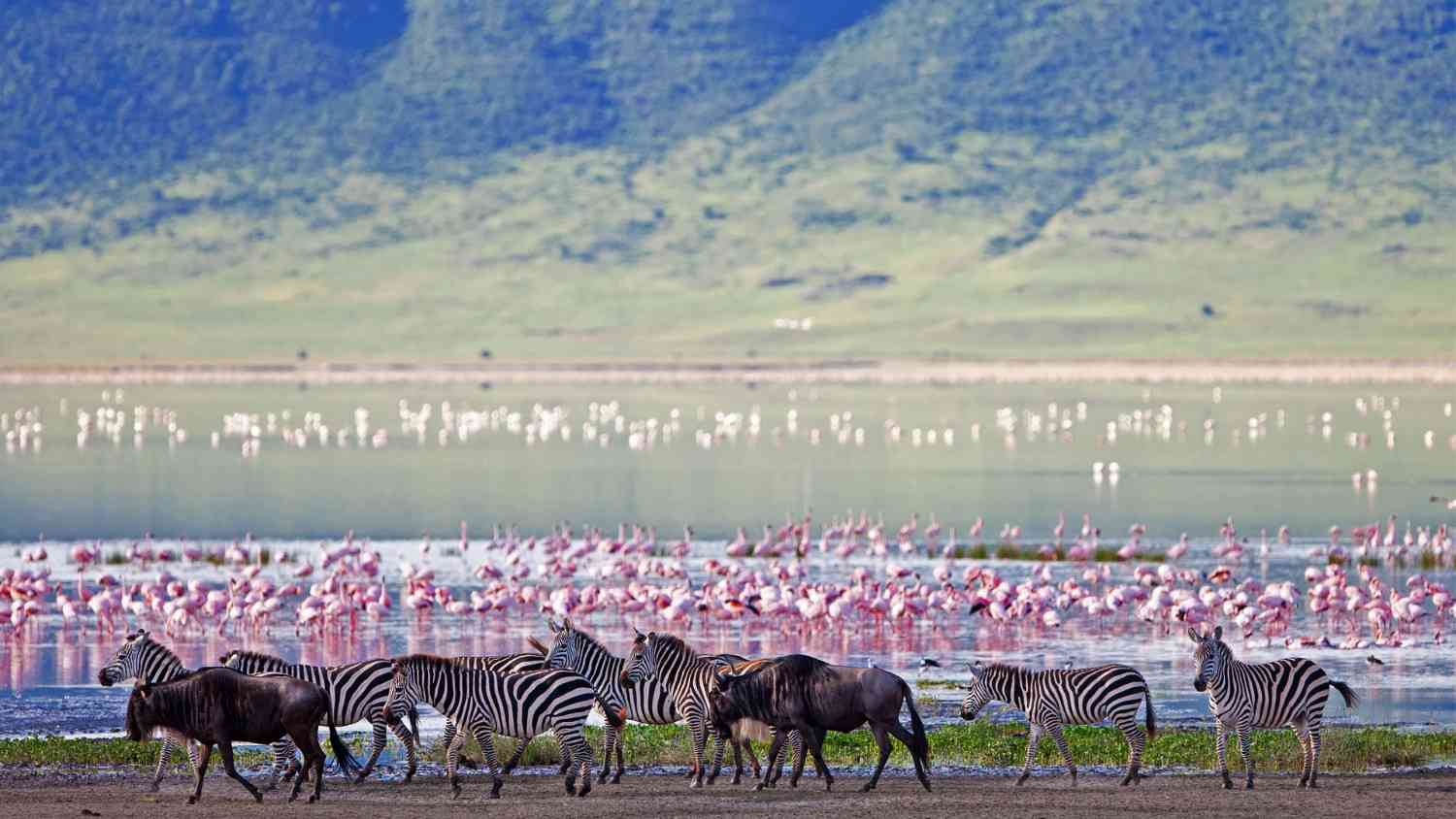
Most of Tanzania’s protected areas are national parks, where human settlement is generally excluded to protect wildlife habitat. Ngorongoro is different, and understanding why is genuinely useful context for anyone visiting — not just trivia, but a real explanation of what you’re seeing when you look beyond the crater floor to the surrounding highlands.
What makes Ngorongoro’s model distinctive
The Ngorongoro Conservation Area is managed under what’s generally described as a “multiple land use” model, rather than a strict national park model — meaning it’s designed to accommodate wildlife conservation, Maasai pastoral life, and tourism simultaneously within the same protected area, rather than treating human presence as incompatible with conservation. It’s managed by the Ngorongoro Conservation Area Authority (NCAA), a distinct body from TANAPA, which manages Tanzania’s national parks.
This arrangement exists because Maasai communities had a documented long-standing presence in the area before it was formally protected, and the conservation area’s establishment was built around continued Maasai pastoral access to grazing land, rather than displacement — a genuinely different approach from the exclusion model used in most of Tanzania’s national parks.
What this actually looks like on the ground
Visitors driving into the conservation area from the highlands will typically see Maasai homesteads (bomas) and grazing cattle in the highland areas surrounding the crater, alongside the wildlife-dense crater floor itself, where the density and diversity of animals in a relatively compact, enclosed area is genuinely exceptional — lion, elephant, rhino, and vast wildebeest and zebra populations are all regularly present. The crater floor itself is managed more restrictively for wildlife viewing, while surrounding highland areas support the pastoral land use.
Why this matters for how you think about your visit
Understanding this model changes how you might interpret what you see — a Maasai herder with cattle near the crater rim isn’t an anomaly or a tourism display; it’s the area’s actual, designed land-use structure operating as intended. It also connects directly to the cultural tourism themes explored in Cultural Tourism in Tanzania: Meeting Maasai and Hadzabe Communities Responsibly — Ngorongoro is one of the clearest real-world examples of conservation and community life being planned together rather than treated as competing interests, even though, as with any such arrangement, it involves genuine ongoing management complexity rather than being a fully settled or simple issue.
Conservation status
Ngorongoro’s ecological and geological significance — it sits within the wider Ngorongoro Crater, one of the world’s largest intact volcanic calderas — has been recognised through international heritage designations; current, precise wording of that status is best confirmed directly via UNESCO’s own published records rather than restated here as a fixed claim, given how these designations can be updated.
Frequently Asked Questions
Do Maasai communities still live within the Ngorongoro Conservation Area?
Yes — the conservation area is managed under a model that specifically accommodates continued Maasai pastoral presence alongside wildlife conservation, distinct from Tanzania’s national parks.
Is Ngorongoro a national park?
No — it’s managed separately by the Ngorongoro Conservation Area Authority (NCAA) under a different model than TANAPA’s national parks, which is part of why its fee structure and management differ from parks like the Serengeti.
Can I visit a Maasai community while at Ngorongoro?
Some itineraries include this as a separate, specifically arranged visit; see our cultural tourism guide for how to approach this respectfully.
Why is wildlife so concentrated in the crater specifically?
The crater’s enclosed geography and permanent water sources support a resident wildlife population year-round, without the same degree of seasonal migration seen elsewhere in the ecosystem — a genuinely distinctive feature of the location.
Is Ngorongoro more expensive to visit than other Tanzanian parks?
Fee structures differ from TANAPA-managed parks, including an additional per-vehicle crater descent service fee — see our broader safari cost guide for how this fits into overall trip planning, and confirm current rates directly given how time-sensitive fee figures are.
Interested in visiting Ngorongoro as part of a wider northern circuit itinerary? Request a tailored quote or get in touch to talk through the details.