
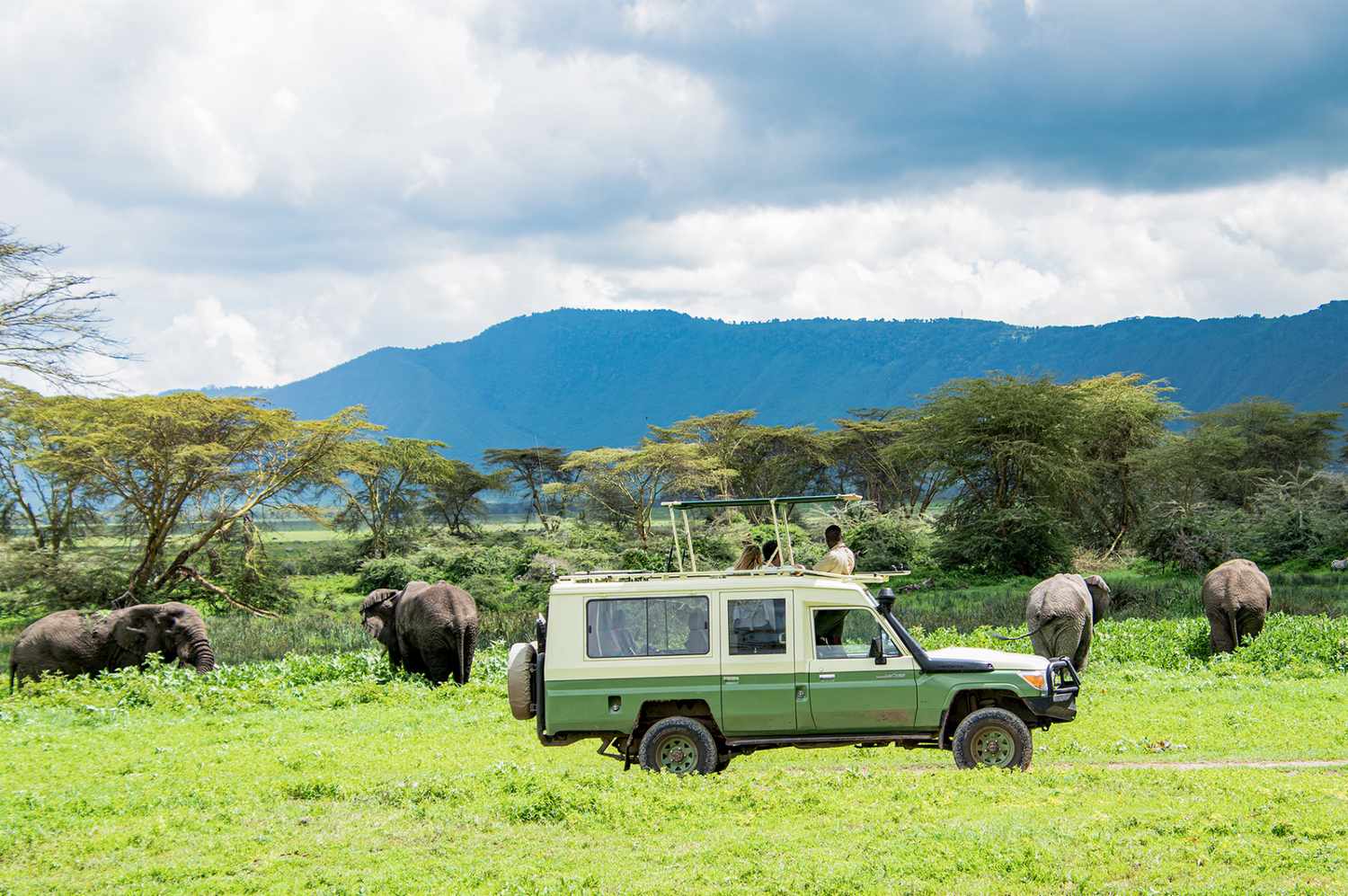
A family safari isn’t simply a standard safari with children added — pacing, accommodation choice, and vehicle arrangements all change, or should, once children are part of the itinerary. Planned well, it’s one of the more rewarding ways to introduce kids to wildlife and a different culture; planned like a standard adult itinerary, it can be exhausting for everyone.
Age considerations, honestly
There’s no single, universal minimum age for safari travel — policies vary by lodge, by activity, and sometimes by specific park. Some camps welcome young children without restriction; others set minimum ages for specific activities like walking safaris (commonly in the 12 – 16 range, as covered in our walking safari guide) or for the property generally, particularly camps without full perimeter fencing where wildlife can move through at night. This needs to be confirmed for your specific chosen properties rather than assumed either way — it’s a genuine planning variable, not a formality.
Pacing matters more than itinerary length
Adult safari itineraries often pack in early starts, long game drives, and frequent property changes. For a family trip, slowing this down generally produces a better experience — fewer property changes to reduce packing/unpacking fatigue, shorter game drive blocks with flexibility to head back if children need a break, and built-in downtime at camps with pools or other child-friendly facilities.
Vehicle arrangements
A private vehicle is worth genuinely considering for a family safari, more so than for many other trip styles, since it allows game drives to be cut short or adjusted around a child’s energy level without affecting other travellers in a shared vehicle. See our safari vehicles page for how private and shared arrangements generally differ.
Choosing accommodation
Family-friendly accommodation typically means interconnecting rooms or family tents/suites, appropriate fencing or on-site safety arrangements given younger children’s presence, and activities beyond game drives — pools, sometimes dedicated kids’ programmes at certain properties. This is worth discussing specifically rather than assuming any given lodge is set up for families by default.
Balancing safari with downtime
Many family itineraries benefit from building in a lower-intensity portion of the trip, whether that’s a property with strong on-site facilities partway through the safari, or a Zanzibar extension at the end to balance the more demanding safari pacing with beach time.
Frequently Asked Questions
Is there a minimum age for a Tanzania safari?
There’s no single universal minimum — it varies by lodge and activity, and needs to be confirmed for your specific chosen properties, particularly for activities like walking safaris which often have their own age minimums.
Is a private vehicle necessary for a family safari?
Not strictly necessary, but it’s worth genuinely considering, since it allows more flexibility to adjust pacing around children without affecting other travellers.
What age is generally considered good for a first safari?
This varies by family and by specific lodge policy rather than having a universal answer — younger children can have a wonderful experience at family-appropriate properties, while some camps set specific minimum ages for their own operational reasons.
Should we combine our family safari with a Zanzibar beach stay?
Many families find this combination works well, balancing the more active safari portion with lower-intensity beach time — see our guide to combining Tanzania and Zanzibar.
How does family safari pricing compare to a standard itinerary?
Cost is driven by similar factors to any safari (accommodation tier, vehicle choice, season) — see our safari cost guide — though family-appropriate accommodation and a private vehicle can shift the total compared to a more minimal shared-vehicle itinerary.
Planning a family safari and want help matching pacing and accommodation to your children’s ages? Request a tailored quote or get in touch to talk it through.