
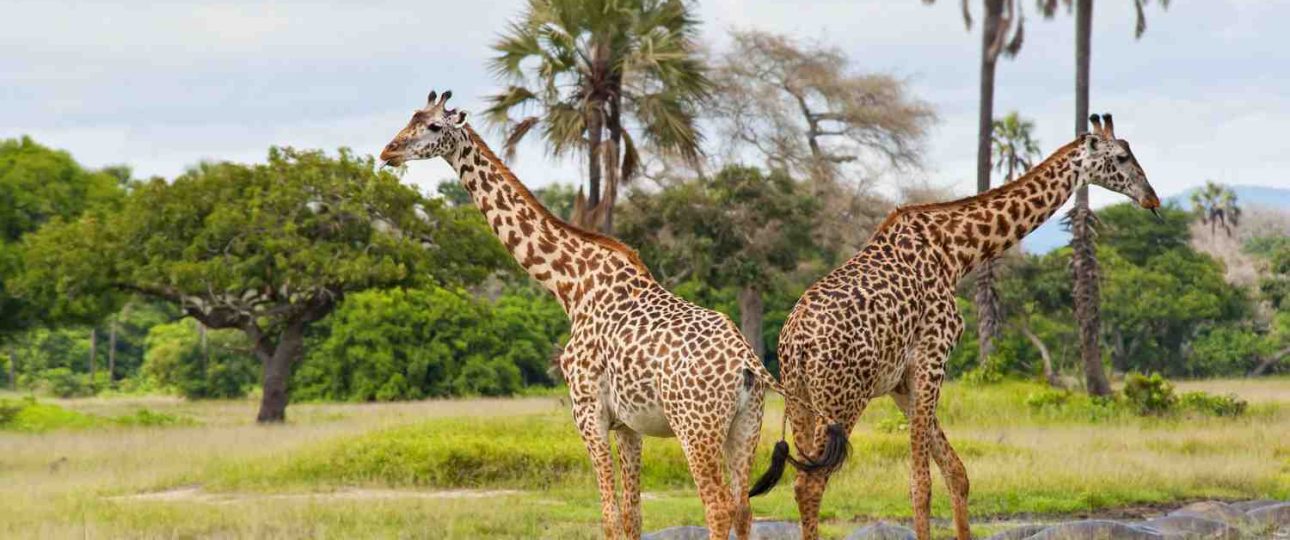
A vehicle gives you distance and speed. A walking safari gives you neither, and that trade is precisely why people who’ve done one tend to talk about it differently than they talk about game drives. On foot, scale changes — a set of tracks in the sand, the smell of a recent kill, the particular quiet before a bird alarm call, all become part of the experience rather than something you drive past.
How it actually works
A walking safari is always guided, typically by a licensed guide and, depending on the area, an accompanying armed ranger, following strict protocols around distance from dangerous wildlife and pre-planned routes that avoid unnecessary risk. It is not an unstructured ramble — walks are briefed beforehand, paced deliberately, and focused as much on smaller details (tracks, dung, plants, insects, bird calls) as on the chance of a large-mammal sighting, since close-range encounters with dangerous game on foot are deliberately avoided rather than sought out.
Where it’s genuinely available
Walking safaris are more established in some parts of East and southern Africa than others. Tanzania’s Ruaha and southern circuit parks offer walking activity in permitted areas (see our comparison of Ruaha, Nyerere and Katavi), and it’s a defining feature of safari culture in Zambia’s South Luangwa and parts of Zimbabwe’s Mana Pools and Hwange — regions we also work in as part of our wider Africa safari offering. Availability within any specific park depends on local regulations and the particular camp or concession, so it’s worth confirming for your specific itinerary rather than assuming it’s available everywhere.
What a typical walk involves
Most guided walks run a few hours, often in the cooler early morning, covering a modest distance at an unhurried pace. Groups are kept small, both for safety and because a large group is harder to move quietly. Expect your guide to stop frequently — not because something dramatic has been spotted, but because there’s usually something worth explaining: a termite mound’s internal structure, how to age a set of tracks, which plants are used medicinally by local communities.
Fitness and safety considerations
Walking safaris don’t require athletic fitness, but they do require the ability to walk at a steady pace over uneven ground for a couple of hours, and to follow instructions promptly if a guide signals caution. Most operators set a minimum age (commonly around 12 – 16, varying by camp) given the safety protocols involved — this is worth confirming directly for family itineraries.
Frequently Asked Questions
Is a walking safari more dangerous than a vehicle-based game drive?
Guided walks follow strict protocols specifically designed to avoid close encounters with dangerous wildlife, with trained guides (and armed rangers where required) managing distance and route. It carries different considerations than a vehicle, not simply more risk, and operators plan accordingly.
Do I need to be very fit to do a walking safari?
No — most walks are paced deliberately and cover modest distances, though a reasonable level of general fitness and the ability to walk on uneven ground is expected.
Can children do a walking safari?
Many operators set a minimum age, commonly in the 12 – 16 range, due to the safety protocols involved. This varies by camp and should be confirmed directly for family trips — see our family safari planning guide for related considerations.
Which parks are best known for walking safaris?
In Tanzania, Ruaha and the southern circuit are the most established; regionally, Zambia’s South Luangwa is particularly well known for the activity. Availability depends on the specific park and camp.
Will I get close to dangerous animals on foot?
Close-range encounters with dangerous game are deliberately avoided by design, not a goal of the activity — guides prioritise safe distance and situational reading over proximity.
Curious whether a walking safari fits your itinerary? Our team can advise on where it’s genuinely available and how to build it into a wider trip. Get in touch or request a tailored quote.