
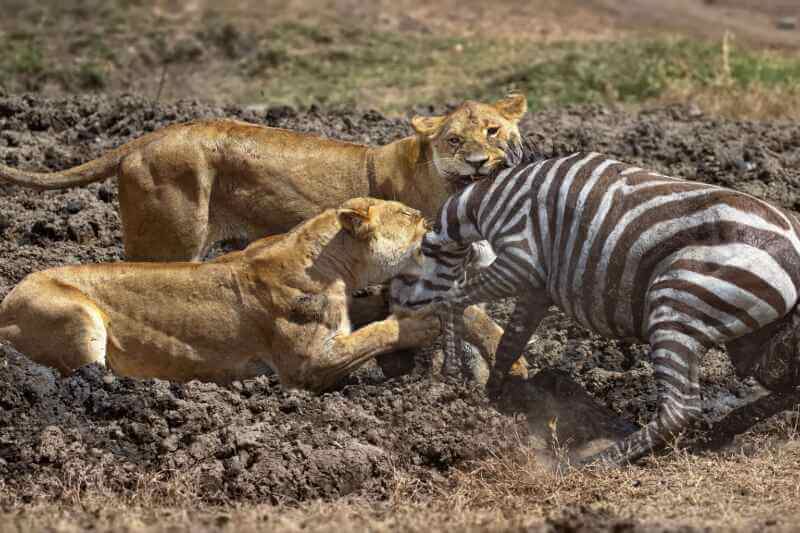
Most disappointing safari photographs aren’t the result of bad equipment — they’re the result of shooting at the wrong time of day, from the wrong distance, without having thought about what makes a wildlife image actually work. You don’t need a professional camera system to come home with images you’re proud of. You need to understand a handful of habits that experienced safari photographers rely on consistently.
Light matters more than gear
The hour after sunrise and the hour before sunset — often called golden hour — produce warmer, softer, more directional light than the flat glare of midday. It’s not a coincidence that most striking safari images were taken during these windows; it’s also not a coincidence that these are exactly the hours when many animals are most active, since the heat of midday tends to push wildlife into shade and stillness. Planning game drives around these hours, which most itineraries already do, serves both your photography and your sightings.
Positioning: let the guide help you
Your guide’s read of animal behaviour — which way an animal is likely to move, where it’s heading, how it’s likely to react to the vehicle — is often more valuable to your photography than any camera setting. Communicate what you’re trying to capture (a portrait, an action shot, an animal against a specific backdrop) rather than just asking to get closer; a good guide will position the vehicle with light direction and background in mind, not just proximity.
A few practical habits that make a real difference
Shoot at eye level where possible. Images taken from a standing position looking down at an animal tend to feel more like documentation than a photograph. Where vehicle design and safety allow, shooting from a seated or lower position gives a more immersive perspective.
Don’t center everything. A subject placed slightly off-center, with room in the frame for it to “look into,” generally reads as more considered than a dead-center composition.
Include the environment sometimes. Not every image needs to be a tight portrait. A wider shot that includes landscape context — open plains, a river, a tree line — often tells a more complete story of the place than a close crop alone.
Be patient with static scenes. Some of the most rewarding wildlife images come from waiting through an apparently quiet moment for a specific action — a yawn, a head turn, an interaction between animals — rather than moving on as soon as the initial sighting settles.
What to bring, briefly
A camera with a moderate telephoto reach (whether a dedicated camera or a strong smartphone zoom) covers most safari situations; a beanbag or stabilising support helps with sharper images shot from a moving or idling vehicle, since tripods are generally impractical in a vehicle. Dust protection for equipment is worth planning for, particularly during drier months.
Frequently Asked Questions
Do I need a professional camera to get good safari photos?
No — good light, positioning, and patience matter more than equipment. Many satisfying safari images are taken on capable consumer cameras or modern smartphones with a reasonable zoom.
What’s the single most useful habit for better wildlife photos?
Prioritising the golden-hour windows around sunrise and sunset over midday shooting, since the light and the wildlife activity both tend to favour these hours.
Should I ask my guide to get closer to wildlife for a better shot?
It’s better to communicate the type of image you’re after and let your guide judge positioning — proximity alone doesn’t guarantee a better photograph, and guides balance this against animal welfare and safety regulations.
Is a photographic safari itinerary different from a standard safari?
Yes, typically — a photographic safari style generally allows more time at sightings and more flexible pacing, prioritising positioning and light over covering the maximum number of sightings. See our photographic safari page for how this is structured.
Does the Great Migration offer particularly good photography opportunities?
Yes — the scale and drama of migration-season scenes, particularly river crossings, are genuinely rewarding subjects, though they also demand patience given how unpredictable crossing timing can be. See The Great Migration, Month by Month for planning around it.
Planning a trip with photography as a priority? Our photographic safari style is built around pacing and positioning rather than covering ground quickly. Request a tailored quote to talk through what you’re hoping to capture.