“Responsible tourism” and “sustainable travel” appear on nearly every safari operator’s website in some form, and the sheer repetition of the phrase has made it close to meaningless as a marketing term. That’s unfortunate, because the underlying question — does this trip actually benefit the places and people it depends on, or does it just extract from them — is genuinely important and worth asking with more specificity than the marketing language usually offers.
Why vague claims aren’t enough
A website stating that a company is “committed to sustainability” tells you almost nothing verifiable. The more useful approach, for any traveller evaluating any operator, is to ask specific, answerable questions and see whether the response is specific in return. This article is deliberately structured around those questions rather than around unverifiable claims, including about our own company — where we can’t substantiate a specific claim with published evidence, we say so directly rather than asserting it anyway.
Questions worth asking any operator
How are park and conservation fees actually used?
A reasonable operator should be able to explain, at least in general terms, how the fees you pay support the parks and communities you’re visiting — see Conservation Travel: How Safari Tourism Funds Wildlife Protection for how this works at a system level in Tanzania specifically.
How are guides, porters, and support staff compensated and treated?
This is especially relevant for Kilimanjaro climbs, where porter welfare has a documented history of concern — see Kilimanjaro Porters and Responsible Climbing for the specific questions worth asking there.
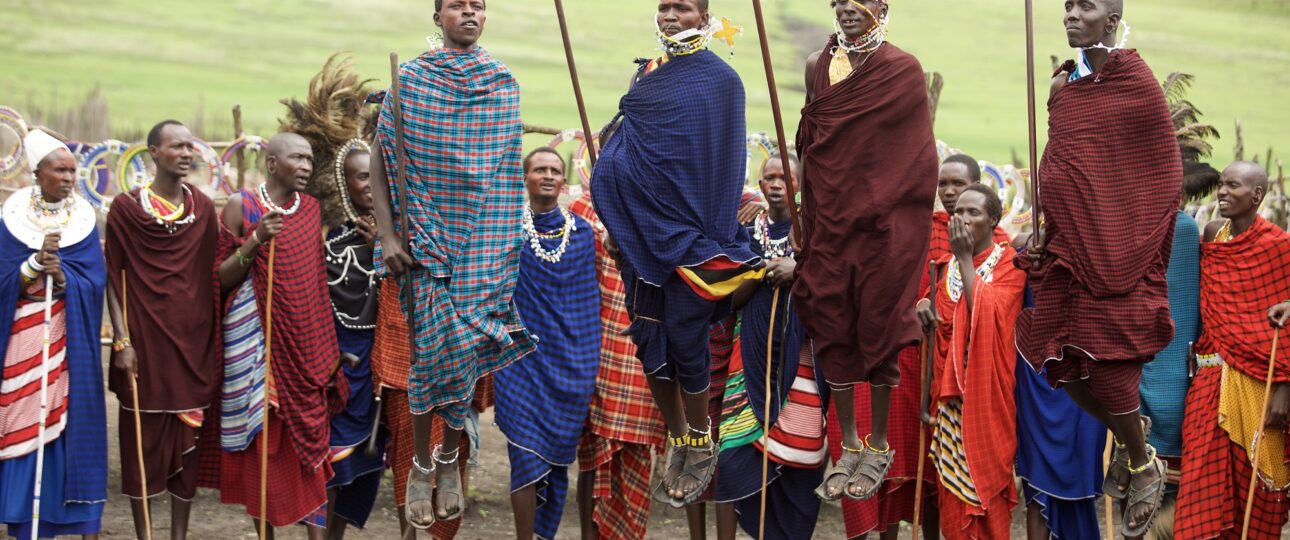
How is cultural tourism arranged, and does benefit reach the community involved?
Covered in depth in our cultural tourism guide.
Does the operator support any specific, named conservation or community programme, and can they describe it concretely?
Vague references to “giving back” are less useful than a specific, describable programme with a clear connection to the trip you’re booking.
How does the operator handle wildlife-viewing conduct?
Respecting distance guidelines, not pressuring guides to get closer for a better photo, and following park regulations around vehicle numbers at sightings are all genuine markers of a responsibly run operation, not just legal compliance.
What this looks like for Ibhanilfa specifically
We’d rather be direct here than vague: Ibhanilfa’s own published sustainability and community-related information can be found on our Sustainability & Conservation and Ibhanilfa Foundation pages, and we encourage exactly the kind of specific questions raised in this article — about fees, staff treatment, and community programmes — as part of any planning conversation. Where something isn’t published in detail, ask directly; that’s a more useful test of any operator’s genuine practice than a general marketing claim either way.
Frequently Asked Questions
Is “eco-friendly” or “sustainable” marketing language usually accurate?
It varies considerably between operators, and the phrase alone doesn’t tell you much — specific, answerable questions about fees, staff treatment, and named programmes are a more reliable way to evaluate any operator’s actual practice.
Do higher-priced safaris automatically mean more responsible tourism?
Not necessarily — price reflects many factors, including accommodation tier and vehicle arrangement, and isn’t a reliable stand-in for responsible practice on its own.
How can I tell if a cultural visit genuinely benefits the community involved?
Ask directly how the visit is arranged and whether payment reaches the community, rather than assuming either way — see our cultural tourism guide for more on this specific question.
Does park entry money actually go toward conservation?
Broadly, park and conservation fees are intended to fund park management, ranger operations, and related conservation activity, though specific allocation varies by authority — see our article on how tourism funds conservation for more detail.
What’s the single most useful question to ask an operator about responsible tourism?
Ask for something specific and named — a fee structure, a staff welfare policy, a community programme — rather than accepting a general statement of commitment.
Have questions about how we approach any of this for your specific trip? We’d rather answer directly than rely on general marketing language. Get in touch or request a tailored quote.