Lake Eyasi, at the base of the Eastern Rift Valley escarpment in northern Tanzania, is often introduced to travellers as “Hadzabe territory” — which is true, but incomplete. The area is also home to the Datoga, a pastoralist community with a genuinely distinct language, livelihood, and history from their Hadzabe neighbours, and the contrast between the two is, in its own right, one of the more interesting cultural dynamics in the region.
The Hadzabe
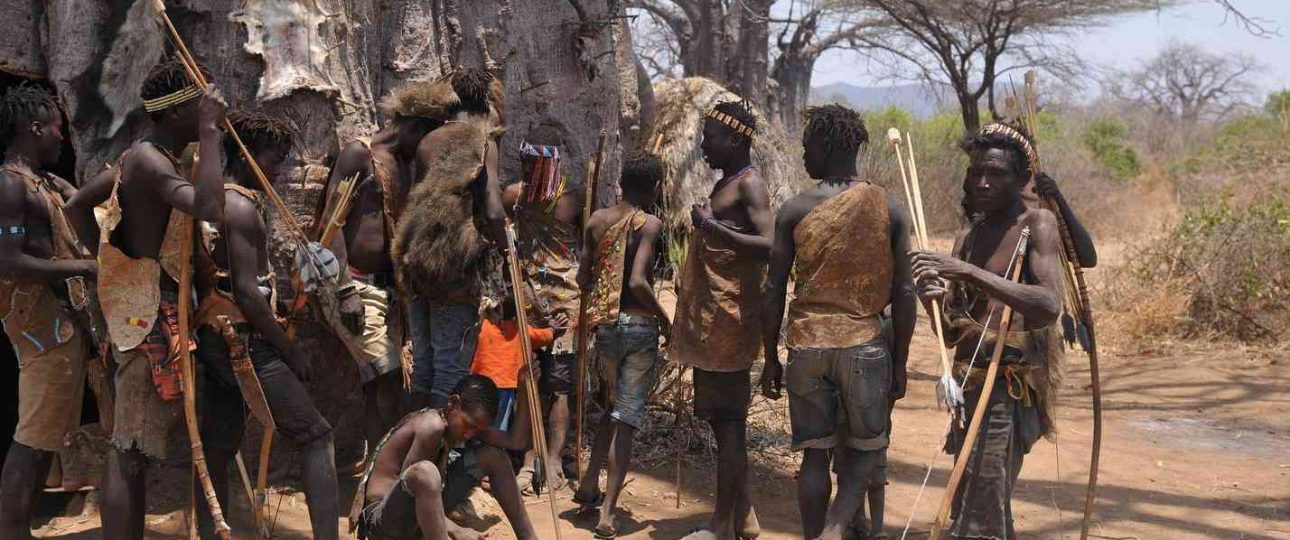
The Hadzabe are among the last communities in East Africa still substantially practising a hunter-gatherer lifestyle, with a language featuring distinctive click consonants unrelated to neighbouring Bantu or Nilotic languages spoken across most of the wider region. Their population is small, and their relationship with the surrounding land — foraging, small-game hunting, and deep, practical ecological knowledge of the Lake Eyasi basin — represents a genuinely different way of life from almost anything else a safari itinerary typically includes.
The Datoga
The Datoga are pastoralists, traditionally raising cattle, goats, and sheep, with a distinct language and a further sub-group, the Datoga blacksmiths, known specifically for traditional metalworking — producing tools, jewellery, and other items using techniques passed down through specific families. Where the Hadzabe’s daily life centres on foraging and hunting, the Datoga’s centres on livestock and craft production — a genuinely different economic and cultural structure, despite sharing the same general geography.
Why the contrast matters
Visiting only one of the two communities gives a partial, potentially misleading picture — as if “Lake Eyasi culture” were a single thing, when it’s actually two distinct peoples living in proximity with different languages, livelihoods, and traditions. A more complete understanding of the area treats them as separate, specific communities worth learning about individually, which is the approach this article takes deliberately, consistent with the broader principle laid out in Cultural Tourism in Tanzania: Meeting Maasai and Hadzabe Communities Responsibly — avoid flattening distinct communities into a single generic “tribal visit” label.
Visiting respectfully
The same principles that apply broadly to cultural tourism in Tanzania apply here specifically: photography should be consent-based and discussed beforehand, visits should be arranged in a way that provides genuine benefit to the specific community involved, and it’s worth asking directly how a visit is structured — as a paid, mutually understood cultural exchange, ideally — rather than assuming it reflects entirely unmediated daily life.
Frequently Asked Questions
Are the Datoga and Hadzabe the same people?
No — they are distinct communities with different languages, livelihoods, and traditions, who happen to live in proximity to each other near Lake Eyasi.
Do the Hadzabe still live primarily by hunting and gathering?
Traditional hunting and gathering remains a significant part of Hadzabe life for many community members, though, like most communities globally, aspects of the modern economy and tourism also intersect with daily life to varying degrees.
What are Datoga blacksmiths known for?
A specific sub-group within Datoga society specialises in traditional metalworking, producing tools and decorative items using techniques passed down through particular families.
Can I visit both communities in one trip to Lake Eyasi?
Some itineraries do include both, given their proximity, though this should be arranged deliberately rather than assumed as a default — worth discussing directly when planning.
How is a visit to either community typically arranged?
Visits are generally arranged through local guides or operators with established, respectful relationships with the specific community — worth asking directly how any given visit is structured before booking.
Interested in learning more about the communities near Lake Eyasi as part of your itinerary? Get in touch or request a tailored quote to talk through how this can be arranged thoughtfully.