
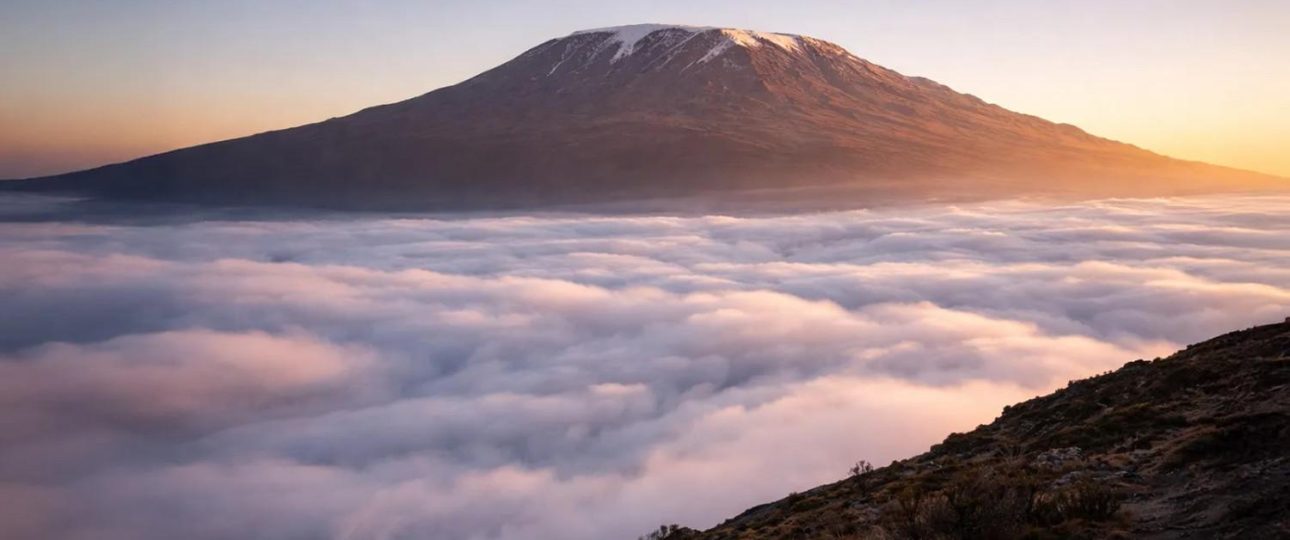
There isn’t a single “best” route up Kilimanjaro — there’s a best route for what you’re prioritising, which might be scenery, solitude, cost, comfort, or simply the highest realistic chance of reaching the summit given the time you have. Every established route reaches the same crater rim; they differ substantially in how they get you there.
The main routes, briefly
Marangu. The only route with hut accommodation rather than tents, and traditionally the shortest standard itinerary. Because it’s relatively short and comparatively comfortable, it also has one of the busier traffic profiles and, being shorter, offers less time for acclimatisation — a genuine trade-off worth weighing carefully rather than choosing on convenience alone.
Machame. Often described as the “scenic route,” approaching from the south and offering varied terrain — rainforest, moorland, alpine desert — across a slightly longer itinerary than Marangu. It’s one of the more popular routes, which means reasonably well-established infrastructure but also more company at camps during peak periods.
Lemosho. Approaches from the west, generally starting more remotely and offering a quieter, more gradual profile in its early days before joining the Machame route higher up. Its longer standard duration gives more built-in acclimatisation time, which tends to support stronger success rates (see Kilimanjaro Success Rates for more on this relationship).
Rongai. The only route approaching from the north, near the Kenyan border, offering a genuinely different, drier landscape and typically lighter foot traffic than the southern routes — a good option for climbers prioritising a quieter experience.
Northern Circuit. The longest standard route, circling around the mountain’s northern and eastern flanks before summiting. Its extended length maximises acclimatisation time and offers the most varied scenery of any route, at the cost of additional days and expense.
Umbwe. The steepest and most direct route, generally recommended only for experienced climbers with prior high-altitude experience, given its limited acclimatisation time relative to its difficulty.
Comparing them side by side
| Route | Typical character | Acclimatisation profile | Traffic |
|---|---|---|---|
| Marangu | Hut-based, shortest standard duration | Limited | Moderate – high |
| Machame | Scenic, varied terrain | Moderate | High |
| Lemosho | Remote start, gradual | Good | Moderate |
| Rongai | Northern approach, drier | Moderate | Low |
| Northern Circuit | Longest, most varied | Best | Low |
| Umbwe | Steep, direct | Limited | Low |
How to actually decide
Start with duration, since it’s the single factor most linked to how you’ll feel on summit day — see Kilimanjaro Success Rates: How Route and Duration Affect Your Summit Chances for the fuller reasoning. If altitude is a genuine concern, favour Lemosho or the Northern Circuit over Marangu or Umbwe. If solitude matters more than comfort, Rongai or the Northern Circuit generally offer a quieter experience than Machame. If budget and time are tightly constrained, Marangu’s shorter, hut-based structure is the most economical standard option, provided you go in aware of its acclimatisation trade-off. Season also plays a role in route feel and conditions — see Kilimanjaro Climbing Seasons for how weather patterns interact with route choice.
Whichever route you choose, the same core regulatory requirements apply: a licensed guide is mandatory for every climber, and porter loads are capped and checked at the gate — a system that exists partly for climber safety and partly for porter welfare, which is worth understanding regardless of which route you pick.
Frequently Asked Questions
Which Kilimanjaro route has the highest success rate?
Generally, longer routes with more built-in acclimatisation days — Lemosho and the Northern Circuit in particular — tend to report stronger completion rates than shorter routes like Marangu, though individual fitness and pacing matter enormously too. See our success-rates article for more detail.
Is Marangu the easiest route?
It’s the shortest and has hut accommodation, which some climbers find more comfortable, but its shorter duration also means less acclimatisation time — which can make it harder in practice for altitude-sensitive climbers, despite feeling logistically simpler.
Which route is quietest?
Rongai and the Northern Circuit generally see the least foot traffic of the standard routes, given their less central starting points.
Can beginners climb Kilimanjaro?
Yes — no technical climbing experience is required on any of the standard trekking routes, though reasonable fitness and appropriate acclimatisation planning matter considerably. Prior high-altitude experience is more relevant for steeper routes like Umbwe.
How many days should I allow?
Standard itineraries range from around 5 to 9 days depending on route; longer itineraries generally support better acclimatisation. This is a genuine trade-off between time, cost and summit-chance worth discussing directly when planning.
Deciding between Kilimanjaro routes for your own trip? Our team can talk through timing, fitness, and priorities to help you choose. Request a tailored quote or get in touch.